
 See Our Latest Article on HelloNation
Can chiropractic care help prevent sports injuries?
Chiropractic care may support sports-injury prevention by identifying movement limitations, addressing musculoskeletal discomfort, and helping athletes build safer movement habits. It should be viewed as one part of a broader prevention plan that also includes progressive training, strength work, recovery, proper equipment, and attention to early symptoms.
The strongest injury-prevention strategies are usually active rather than passive. Exercises that improve strength, balance, coordination, joint control, and sport-specific movement tend to be more useful for prevention than relying on spinal adjustments alone.
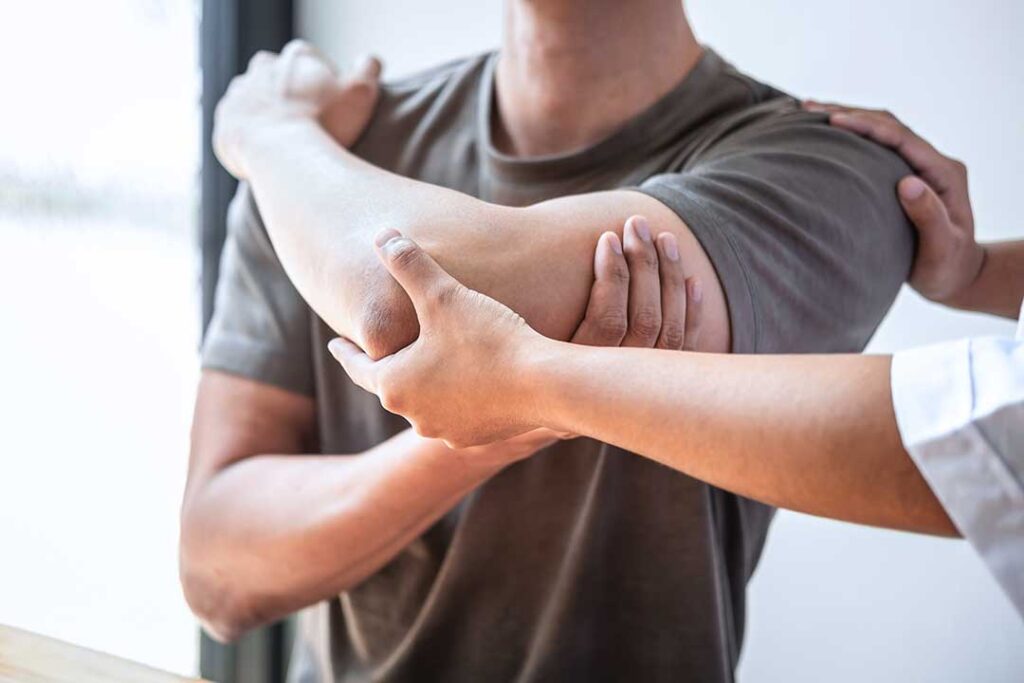
A chiropractor may evaluate how the spine, pelvis, hips, shoulders, and extremities work together during activities such as running, lifting, jumping, throwing, or changing direction. This can help identify restrictions or movement patterns that may place extra stress on muscles and joints.
What does a chiropractic sports-injury assessment involve?
An assessment generally begins with questions about the athlete’s sport, training schedule, previous injuries, pain patterns, footwear, work demands, and recent changes in activity. The physical examination may include posture, joint motion, muscle balance, flexibility, coordination, and functional movements.
For example, a runner with recurring knee discomfort may need more than attention to the knee itself. Hip strength, ankle mobility, foot control, training volume, running surface, and recovery habits may all contribute to the problem.
Likewise, a person who plays seasonal sports may have different risks depending on the time of year. In Farmington, outdoor activity can change substantially between icy winter conditions, spring field sports, summer recreation, and autumn training schedules. A sudden return to activity after a less active season can increase strain on tissues that have not yet adapted.
The purpose of an assessment is not to predict every future injury. No examination can guarantee that an injury will not occur. Instead, it can help identify modifiable factors and guide safer progression.
How might adjustments fit into prevention?
Spinal or extremity adjustments may be used to improve short-term joint mobility or reduce discomfort in selected musculoskeletal conditions. When movement is painful or restricted, restoring comfortable motion may make it easier to perform strengthening and mobility exercises correctly.
That does not mean an adjustment “realigns” the body permanently or prevents all injuries. Sports injuries can result from collisions, falls, excessive training loads, poor landing mechanics, inadequate recovery, environmental conditions, or simple accidents. Chiropractic treatment cannot eliminate those risks.
A balanced approach uses manual care, when appropriate, alongside active rehabilitation. Useful components may include:
- Strengthening weak or underused muscle groups
- Improving balance and single-leg control
- Practicing landing, cutting, lifting, or throwing mechanics
- Gradually increasing training intensity
- Modifying activities that reproduce pain
- Improving mobility where a meaningful restriction exists
- Reviewing sleep, nutrition, hydration, and recovery patterns
Which prevention habits matter most?
A consistent warm-up helps prepare the body for activity. An effective warm-up may include several minutes of easy movement followed by dynamic exercises that resemble the demands of the sport. Examples include walking lunges, controlled leg swings, light skipping, arm circles, or gradual practice repetitions.
Strength training is also important. Stronger muscles can help absorb force and control movement, particularly around the hips, knees, ankles, shoulders, and trunk. Training should be appropriate for the person’s age, experience, sport, and current conditioning.
Training load deserves special attention. Injuries often appear after a rapid increase in mileage, practice frequency, lifting weight, or competitive activity. A safer progression allows the body time to adapt. Athletes should be cautious about trying to make up for missed workouts in a short period.

Recovery is not optional preparation; it is part of training. Rest days, adequate sleep, regular meals, hydration, and alternating high- and low-intensity sessions can help reduce accumulated fatigue. Fatigue may affect coordination and reaction time, which can change movement quality late in practice or competition.
Can chiropractic care prevent overuse injuries?
It may help address contributing factors, but prevention of overuse injuries depends primarily on managing repetitive stress. Tendon problems, stress reactions, muscle strains, and persistent joint pain often develop when workload exceeds the body’s ability to recover and adapt.
Warning signs include pain that grows during activity, soreness that lasts longer than expected, declining performance, altered technique, swelling, weakness, or discomfort that begins to affect ordinary activities. Continuing to train through these symptoms can turn a manageable problem into a longer-lasting one.
A practical response may involve reducing the aggravating activity, maintaining pain-free movement, and gradually rebuilding capacity. A chiropractor may contribute to this process when the problem is within the musculoskeletal scope of care, but medical evaluation is appropriate when symptoms are severe, unusual, or not improving.
What can young athletes and families do differently?
Children and teenagers need prevention plans that account for growth, changing coordination, school schedules, and multiple sports. Specialization in one activity throughout the year may increase repetitive stress in some athletes, particularly when rest periods are limited.
Parents and coaches can watch for changes such as limping, avoiding certain movements, reduced participation, unusual fatigue, or repeated complaints about the same body area. Young athletes may minimize symptoms because they do not want to lose playing time, so changes in behavior can be meaningful.
Equipment and surroundings also matter. Properly fitting footwear, safe playing surfaces, adequate lighting, and attention to slippery or uneven conditions are practical safeguards. In colder months, outdoor surfaces may become harder, slicker, or less predictable, making gradual warm-up and appropriate traction especially relevant.
When is an injury more than a routine strain?
Certain symptoms require prompt medical attention rather than routine preventive care. These include suspected fractures, major swelling, visible deformity, loss of strength or sensation, severe neck or back pain after impact, chest pain, difficulty breathing, loss of consciousness, or possible concussion symptoms.
After a head impact, symptoms such as confusion, worsening headache, repeated vomiting, unusual drowsiness, balance problems, or behavior changes should not be ignored. Athletes should not return to play simply because they feel able to continue.
For ordinary musculoskeletal discomfort, early evaluation can help clarify whether the issue is related to mobility, strength, training load, technique, or another cause. The goal is not just to reduce pain temporarily, but to understand why the problem developed and how to reduce the chance of recurrence.
What is the most realistic role of chiropractic in injury prevention?
Chiropractic can be useful as part of a coordinated, exercise-centered approach to musculoskeletal health. Its most realistic role is helping assess movement, manage certain neuromusculoskeletal problems, and support a gradual return to activity when appropriate.
Prevention works best when athletes combine this type of care with progressive strengthening, sound technique, sensible scheduling, adequate recovery, and early attention to warning signs. No single treatment replaces those fundamentals, but a thoughtful plan can help local residents remain active across changing seasons and levels of competition.
