
 See Our Latest Article on HelloNation

Commuting can place steady stress on the lower back, neck, shoulders, hips, and legs—even when the trip feels routine. The most helpful approach is not to force a rigid “perfect posture,” but to adjust the driving position, limit uninterrupted sitting, and respond early to discomfort.
For residents of Farmington, seasonal weather can add another layer. Winter layers, icy conditions, potholes, snow-covered vehicles, and longer warm-up routines may change how a person sits, moves, and enters or exits a vehicle.
What causes discomfort during a daily commute?
The main problem is usually prolonged, mostly static sitting. Driving keeps the hips and knees bent while the back, neck, and shoulder muscles maintain a steady position. Over time, this can contribute to muscle fatigue, stiffness, and aching. Research on occupational driving has linked sustained sitting, seat discomfort, poor support, and forward-head posture with musculoskeletal symptoms, although there is no single posture that prevents pain for everyone. ([pubmed.ncbi.nlm.nih.gov](https://pubmed.ncbi.nlm.nih.gov/31513435/?utm_source=openai))
Commute-related strain may be more noticeable when:
- The trip involves frequent stop-and-go traffic.
- The driver reaches too far for the steering wheel.
- The seat is tilted too far backward or forward.
- A wallet, phone, tools, or other object is kept in a back pocket.
- The driver remains seated after arriving instead of changing position.
- A person is already dealing with limited hip, hamstring, or upper-back mobility.
Pain that begins in the car but improves quickly after walking may reflect position-related stiffness. Pain that persists, worsens, or affects strength and sensation deserves more careful attention.
How should the driver’s seat be adjusted?
A useful seat setup allows the driver to reach the pedals and steering wheel without stretching, rounding the lower back, or lifting the shoulders. Make adjustments while the vehicle is parked.
Start with the seat distance. The knees should remain slightly bent when the pedals are fully pressed. Sitting too far away can cause the driver to reach with the toes and lean forward. Sitting too close may crowd the legs and force the knees upward.
Next, adjust the seatback so the torso is supported without reclining excessively. The headrest should support the back of the head rather than pushing the head forward. If the vehicle has adjustable lumbar support, use the lowest setting that feels supportive instead of creating a strong pressure point.
The steering wheel should be close enough that the elbows remain comfortably bent. Reaching toward the wheel for an entire trip can increase tension in the upper back and shoulders. Raising the seat slightly may improve visibility and reduce the tendency to slump, but the driver must still have clear access to the pedals and controls.
A small rolled towel or thin cushion behind the lower back may help on longer trips, but added support should never interfere with seat-belt placement or safe control of the vehicle. Seat adjustments should be based on comfort and control rather than forcing the spine into a specific shape.
How often should a commuter take movement breaks?
For longer drives, stopping periodically to stand, walk, and change position is more useful than remaining still and trying to “sit correctly.” The National Institute of Arthritis and Musculoskeletal and Skin Diseases recommends getting up, moving around, changing positions frequently, and stopping during long drives to stand and walk. ([niams.nih.gov](https://www.niams.nih.gov/health-topics/back-pain/diagnosis-treatment-and-steps-to-take?utm_source=openai))
A practical routine is to:
- Walk for a few minutes before beginning a longer trip.
- Stop during extended travel rather than waiting until pain becomes severe.
- Step out of the vehicle and gently move the ankles, hips, shoulders, and upper back.
- Avoid immediately bending over to lift heavy bags after sitting for a long period.
- Change position soon after reaching work or home.
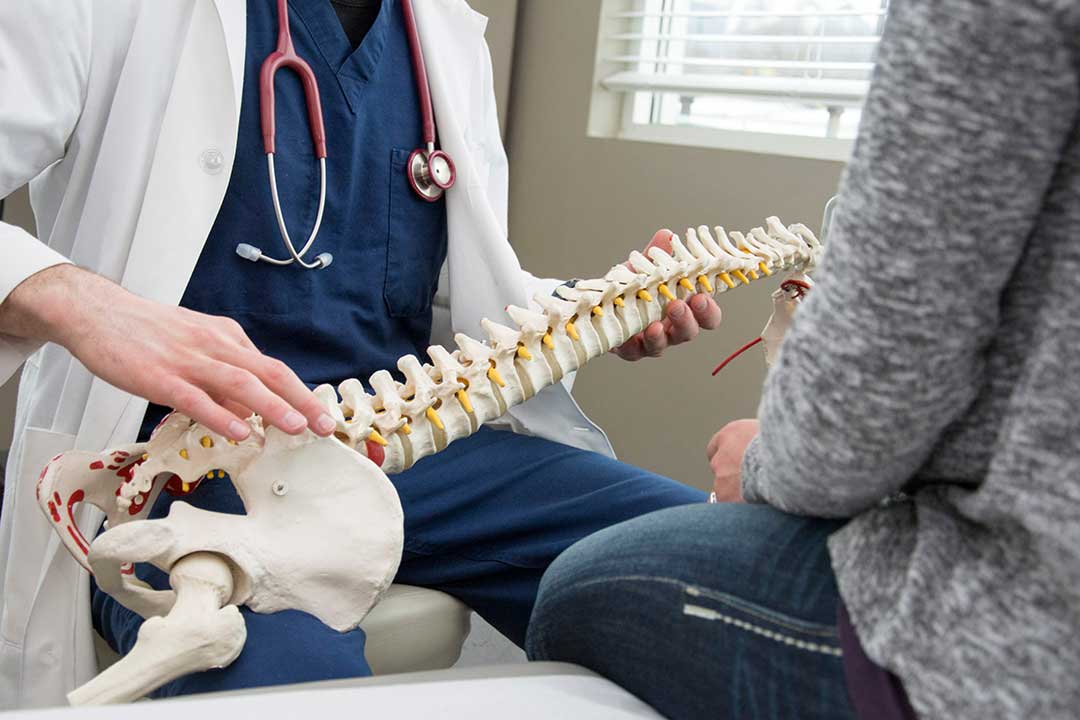
For a short daily commute, a break may not be necessary during the drive. Instead, add movement before leaving, after arriving, or during another part of the day. Several brief periods of walking can be more realistic than one demanding exercise session.
What can help with neck and shoulder tension?
Neck tension often develops when the head moves forward toward the windshield or when the shoulders rise while gripping the wheel. Keep the hands positioned comfortably and avoid holding the steering wheel with excessive force.
Check the mirrors after adjusting the seat. If the mirrors require the driver to twist or lean forward repeatedly, reposition them while parked. This reduces the temptation to rotate the neck and upper back beyond a comfortable range.
During safe stops—not while moving—try relaxing the jaw, lowering the shoulders, and taking a few slow breaths. Gentle shoulder rolls and neck movements may reduce stiffness, but forceful stretching is unnecessary and can aggravate an irritated area.
A phone mounted low or held in the lap can encourage prolonged forward-head posture. Navigation should be set before driving, and any device adjustment should wait until the vehicle is safely parked.
Does cold weather change commuting strain?
Cold conditions can make muscles feel stiffer, while bulky clothing may alter the fit of the seat and seat belt. Before driving, remove unnecessary outer layers that interfere with the belt’s position. The shoulder belt should cross the chest and rest between the neck and shoulder; the lap belt should sit low across the hips and pelvis. ([nhtsa.gov](https://www.nhtsa.gov/vehicle-safety/seat-belts?utm_source=openai))
Clear snow and ice from the vehicle before entering. Reaching awkwardly over the roof or twisting while brushing snow can strain the shoulder or back, particularly when the ground is slippery. Use stable footing and avoid rushing.
Winter driving also requires more attention to road conditions and stopping distance. NHTSA recommends checking weather and traffic conditions, allowing extra time, and postponing nonessential travel when roads are unsafe. ([nhtsa.gov](https://www.nhtsa.gov/winter-driving-tips?utm_source=openai)) Stress and bracing during difficult driving conditions may increase muscle tension, so a slower, better-planned trip can benefit both safety and comfort.
When is commute-related pain a warning sign?
Mild stiffness that improves with movement is common, but certain symptoms should not be ignored. Medical evaluation is appropriate for pain after a crash, significant weakness, loss of bladder or bowel control, numbness around the groin, fever, unexplained weight loss, or severe pain that does not improve.
Persistent pain, recurring numbness or tingling, or symptoms that travel into an arm or leg may also require assessment. A chiropractor, physician, physical therapist, or other qualified clinician can help determine whether the problem is related to the spine, muscles, joints, nerves, or another condition.
The goal is not to remain motionless in an ideal position for an entire commute. A safer, more sustainable strategy is to create a comfortable driving setup, vary position, take movement breaks when practical, and respond early when ordinary stiffness begins to become persistent pain.
