
 See Our Latest Article on HelloNation
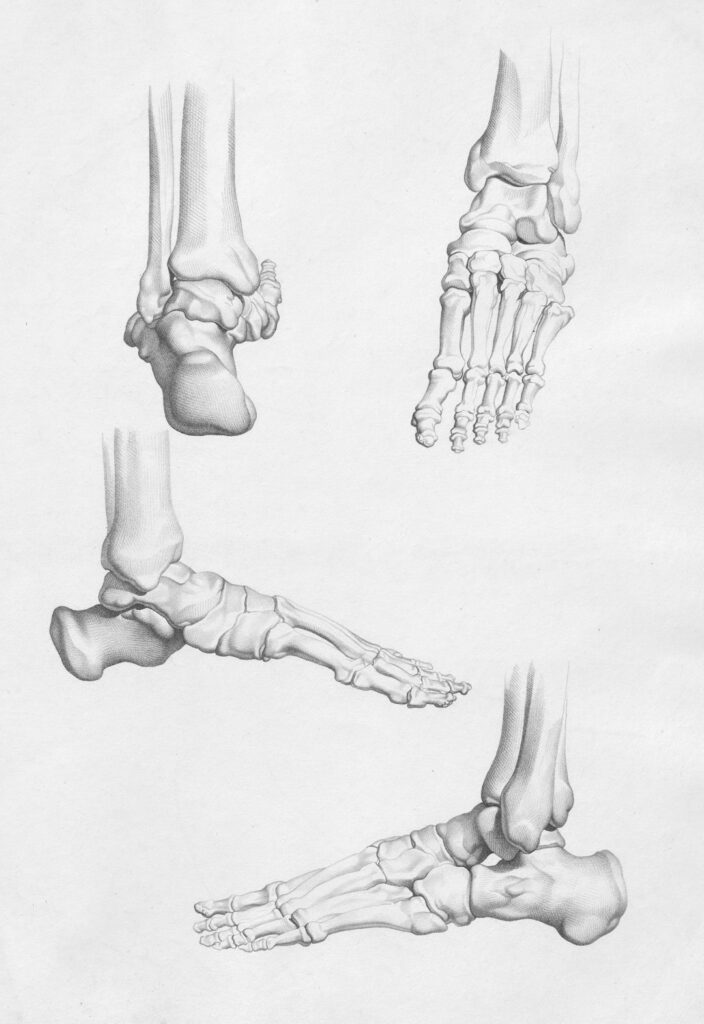
Can foot pain affect spinal alignment?
Foot pain can change the way a person stands and walks, which may place extra stress on the ankles, knees, hips, pelvis, and lower back. This does not mean that every foot problem causes a spinal misalignment, but the body often adapts to pain by shifting weight or changing movement.
For residents of Farmington, NY, these changes may become more noticeable during long walks, outdoor activities, household projects, or winter conditions that encourage cautious steps on snow, ice, and uneven surfaces. A sore heel, stiff ankle, or painful arch can influence the entire movement pattern.
The relationship usually works in both directions:
- A foot problem may contribute to altered movement higher in the body.
- A back or nerve problem may create symptoms that are felt in the foot.
- Foot pain may simply be unrelated to spinal alignment and have a local cause.
Understanding the difference is important because treating the wrong area may not resolve the problem.
How does the foot influence the spine?
The feet are the body’s primary contact with the ground. During walking, they absorb impact, adjust to uneven surfaces, and help create forward movement. The ankle, knee, hip, pelvis, and spine then coordinate to keep the body balanced.
If one foot rolls inward more than usual, remains unusually rigid, or cannot move comfortably through the ankle, the leg may rotate differently during each step. That movement can affect the position and motion of the knee, hip, and pelvis. Over time, the lower back may compensate with changes in muscle activity or trunk movement.
Pain can create a similar effect even when the foot structure is normal. A person with heel pain may avoid placing the heel down fully. Someone with pain under the ball of the foot may shorten the stride or shift weight toward the outside of the foot. These small adjustments can be repeated hundreds or thousands of times during a day.
This is better understood as a movement-chain relationship than as a single bone being “out of place.”
What foot problems are most likely to change walking patterns?
Several common conditions can affect gait and posture:
- Plantar heel pain may lead to a shorter stride or reduced heel contact.
- Flat feet or a collapsing arch may be associated with increased inward motion of the lower leg.
- A high, rigid arch may reduce the foot’s ability to absorb impact.
- An ankle sprain can cause lingering weakness, stiffness, or avoidance of one side.
- Arthritis in the foot or ankle can limit the ability to push off.
- A bunion, toe deformity, or forefoot pain can shift pressure to other parts of the foot.
- An injury, stress fracture, or significant swelling can make normal walking difficult.
These conditions do not affect every person in the same way. Foot shape alone does not determine whether someone will develop back pain. Some people have flat feet or high arches without symptoms, while others develop pain after a change in activity, footwear, body weight, balance, or joint mobility.
Can back or nerve problems cause foot pain?
Yes. Pain in the foot is not always caused by the foot itself. Nerves that begin in the lower back travel through the pelvis and leg into the foot. Irritation of one of these nerves may produce burning, tingling, numbness, weakness, or shooting pain.
Signs that may suggest nerve involvement include:
- Pain that travels from the low back or buttock into the leg
- Tingling or numbness in part of the foot
- A feeling of weakness when lifting the foot or toes
- Symptoms that change with sitting, bending, coughing, or prolonged standing
- Burning or electric-like pain rather than localized tenderness
A local foot problem is more likely when pain can be reproduced by pressing on one area, moving a specific joint, or taking the first steps after rest. These patterns are not enough for self-diagnosis, but they can help guide a proper evaluation.
Does “spinal misalignment” explain all foot pain?
No. The phrase “spinal alignment” is often used broadly, but posture and spinal shape vary naturally from person to person. There is no single perfect standing or sitting position that prevents all pain.
Foot pain may result from overuse, a sprain, footwear, arthritis, tendon irritation, nerve sensitivity, a skin problem, or a bone injury. A spinal assessment may be useful when symptoms suggest that the back or nerves are involved, but it should not replace examination of the foot, ankle, and walking pattern.
A balanced assessment may include:
- The location, timing, and quality of pain
- Foot and ankle range of motion
- Strength and balance on each side
- Walking and standing patterns
- Knee, hip, pelvis, and lower-back movement
- Sensation and reflexes when nerve symptoms are present
- Recent changes in exercise, work, footwear, or injury

The goal is to identify contributing factors rather than assume that one area is responsible for every symptom.
What can residents try safely at home?
For mild pain that follows increased activity and does not involve serious injury, short-term self-care may help. Reduce activities that clearly increase symptoms, use comfortable shoes with adequate room, and avoid repeatedly walking barefoot on hard surfaces if that worsens pain.
Gentle calf, ankle, and foot movements may help maintain mobility, but exercises should not sharply increase pain, numbness, or swelling. Cold therapy wrapped in a cloth can be used for a brief period after activity when swelling or irritation is present.
It may also help to observe patterns for several days:
- Does pain occur with the first steps in the morning?
- Is it worse after prolonged standing?
- Does one shoe wear down differently from the other?
- Do symptoms change on stairs, hills, or uneven ground?
- Is there numbness, weakness, or pain extending above the ankle?
Avoid making abrupt changes to footwear, inserts, or activity levels. A sudden change in support can temporarily alter how the foot and leg move.
When should foot pain be evaluated?
Foot pain deserves medical attention when it is severe, persistent, worsening, or repeatedly returning. Prompt evaluation is especially appropriate after a fall, twisting injury, audible pop, visible deformity, major swelling, or an inability to bear weight.
Numbness, weakness, a wound, unusual warmth or color changes, or fever also warrant timely care. People with diabetes or reduced sensation should not delay evaluation of a foot wound or new foot pain because minor problems can become more serious without clear warning.
For recurring symptoms, the most useful evaluation is one that considers the foot and the rest of the movement system together. Depending on the findings, care may involve activity changes, targeted exercises, treatment for a foot or ankle condition, attention to nerve symptoms, or assessment of the back and pelvis. Chiropractic evaluation can be one part of that broader process when the pattern suggests a musculoskeletal contribution, while other medical or foot-focused care may be needed for injuries, infection, vascular concerns, or progressive neurological symptoms.
What is the main practical takeaway?
Foot pain and spinal alignment can be connected through walking mechanics, but the connection is not automatic. A painful foot may change gait and increase strain elsewhere, while a back or nerve problem may send symptoms into the foot. The most reliable approach is to consider the location of pain, the way the person moves, recent changes in activity, and any warning signs rather than focusing on alignment alone.
